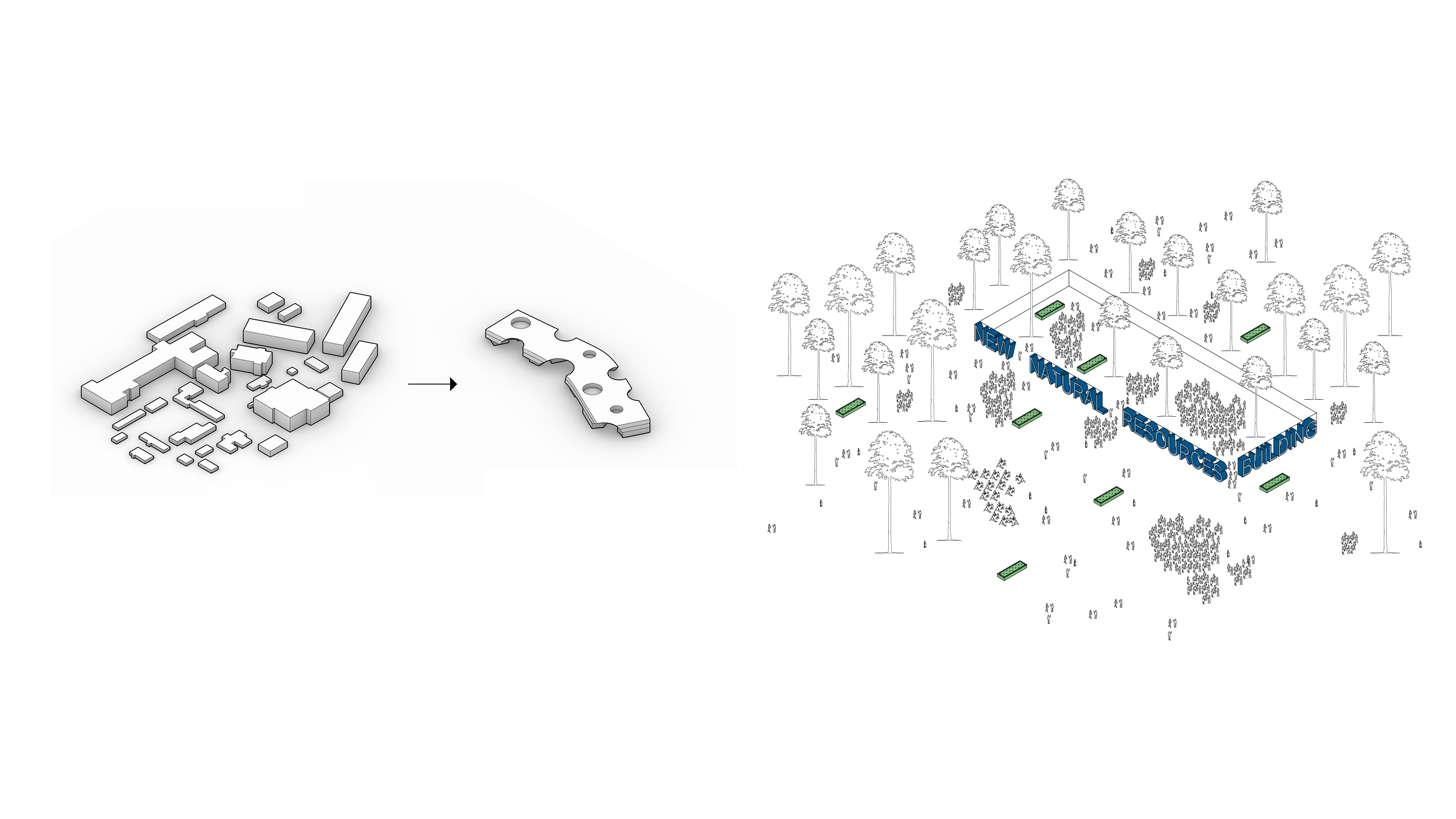
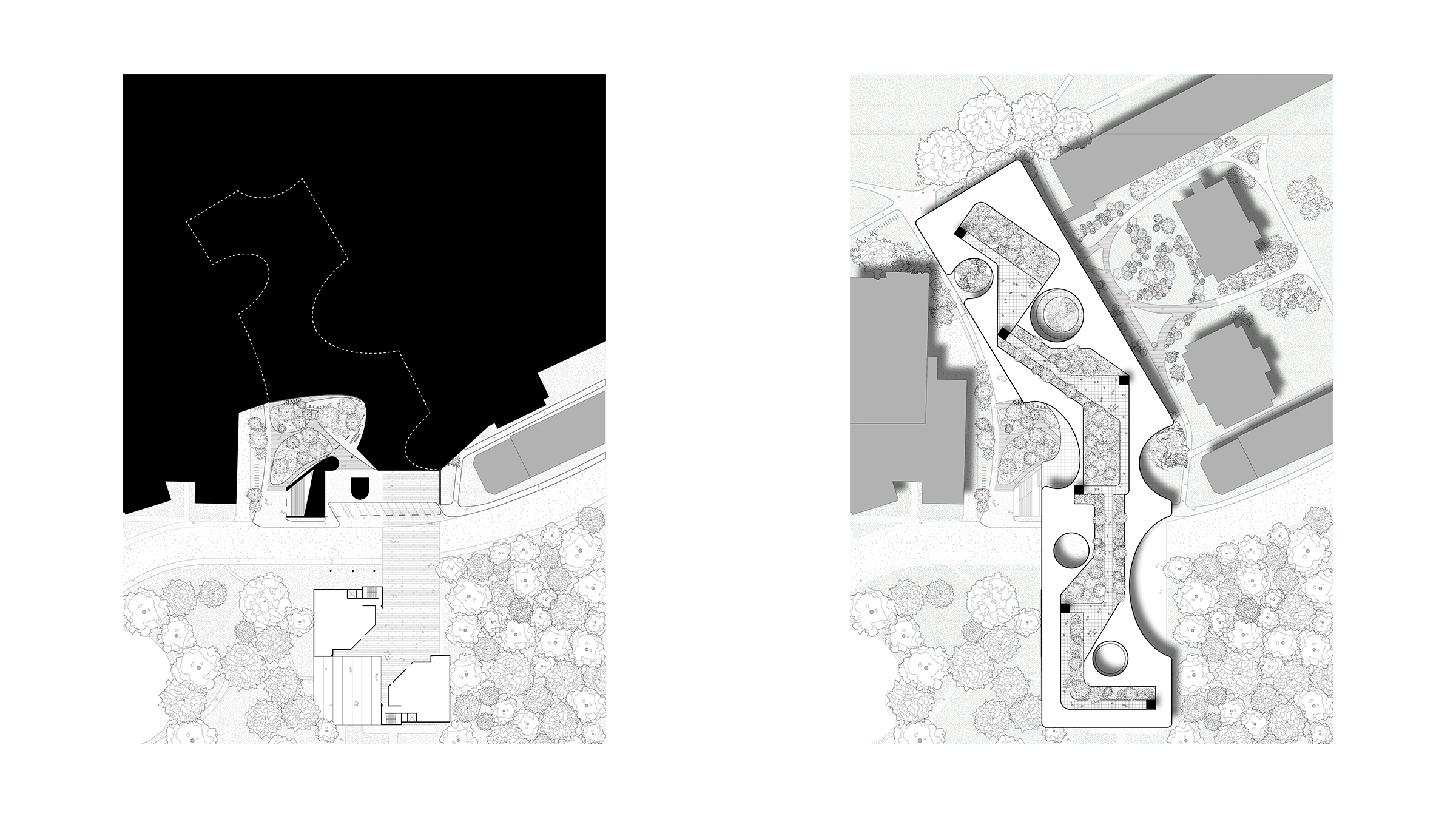
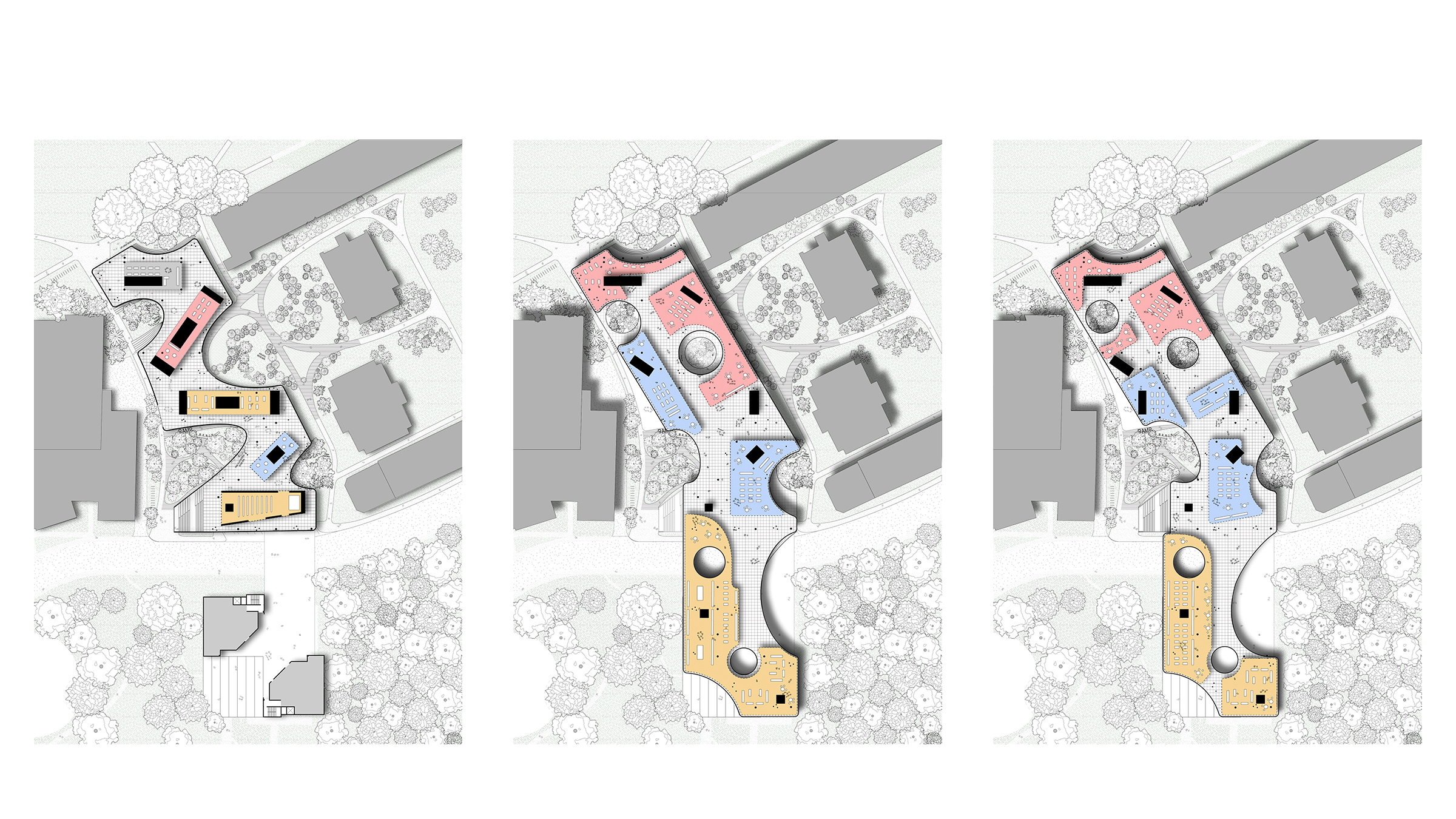
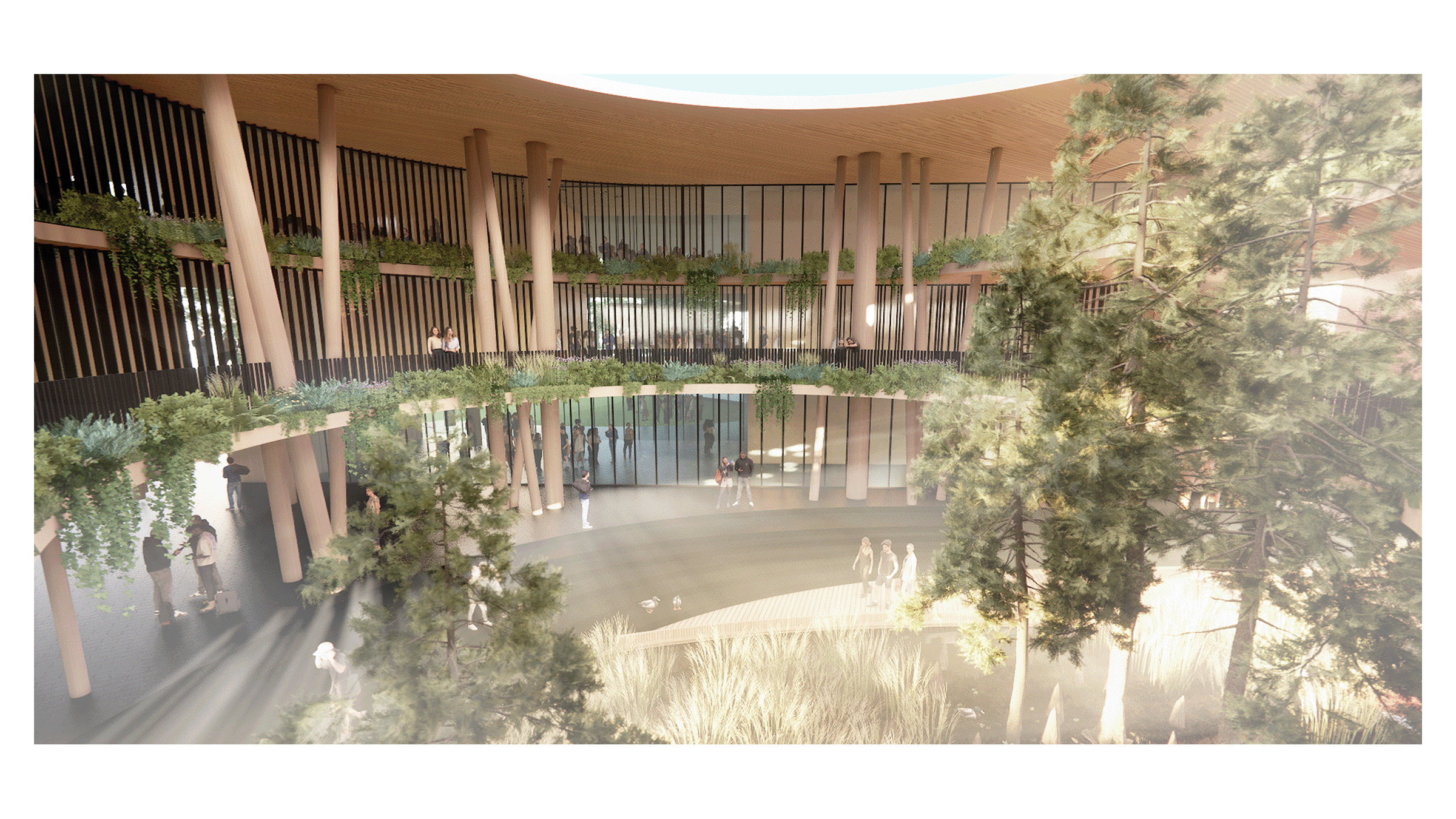
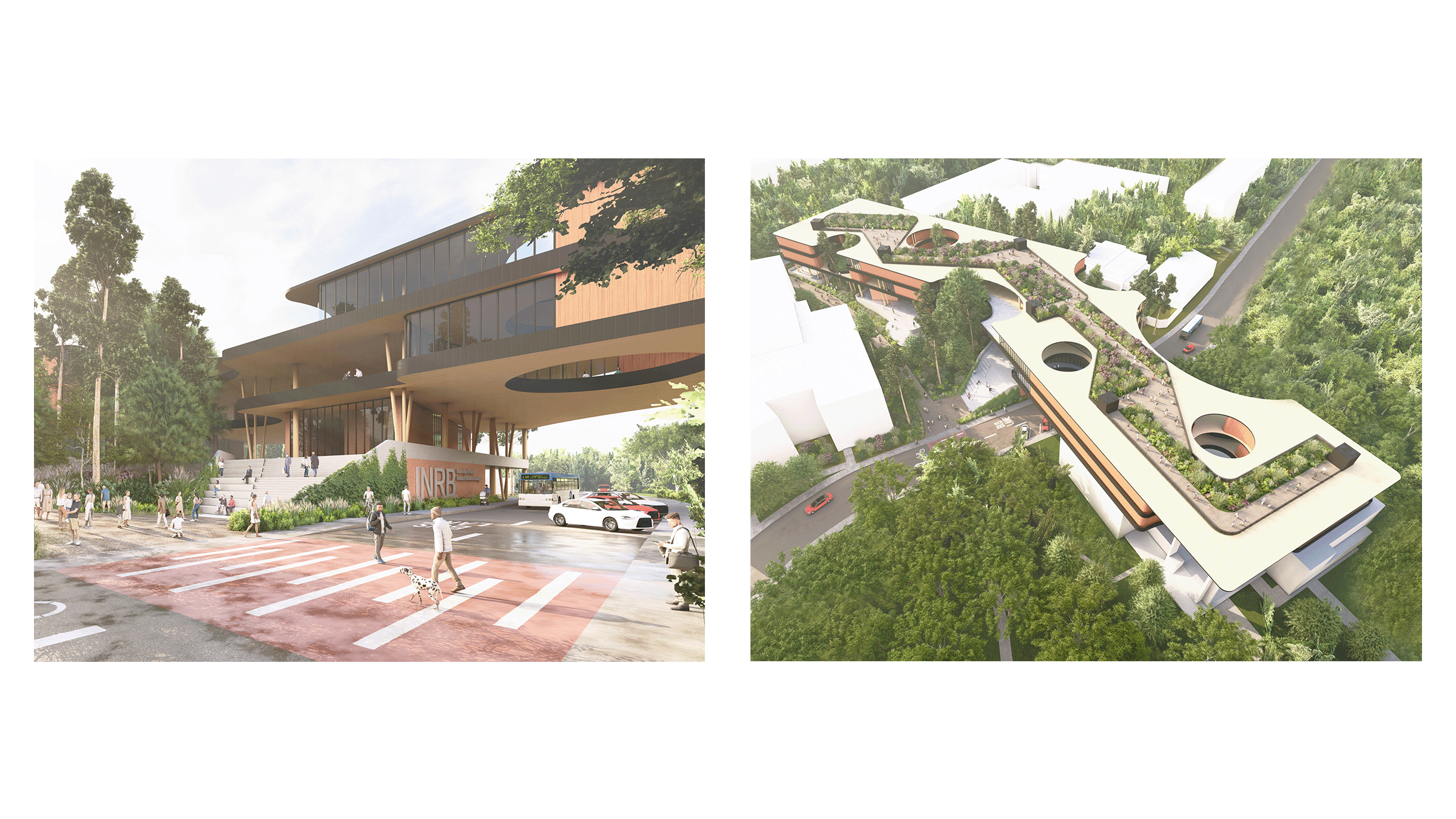
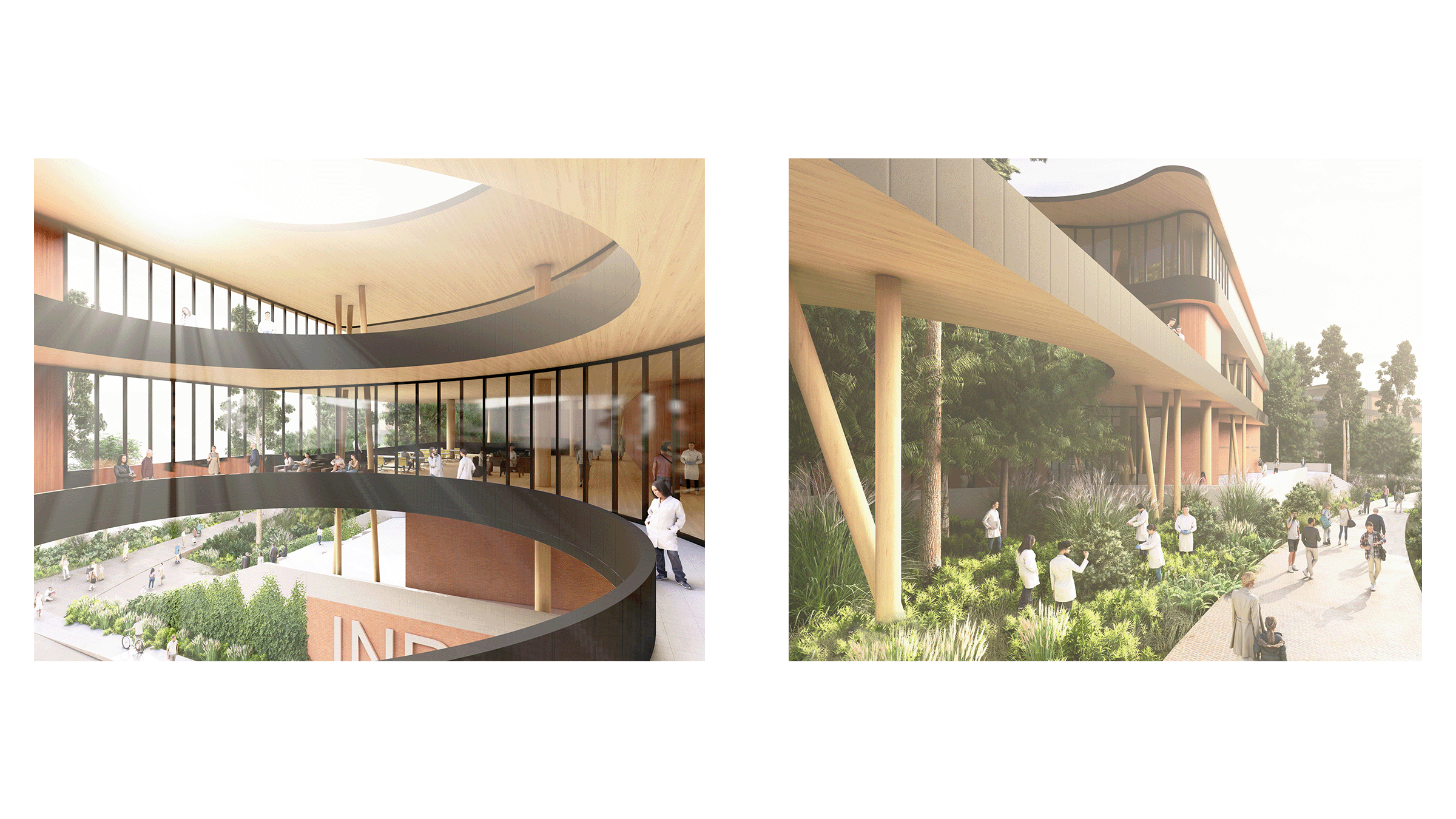
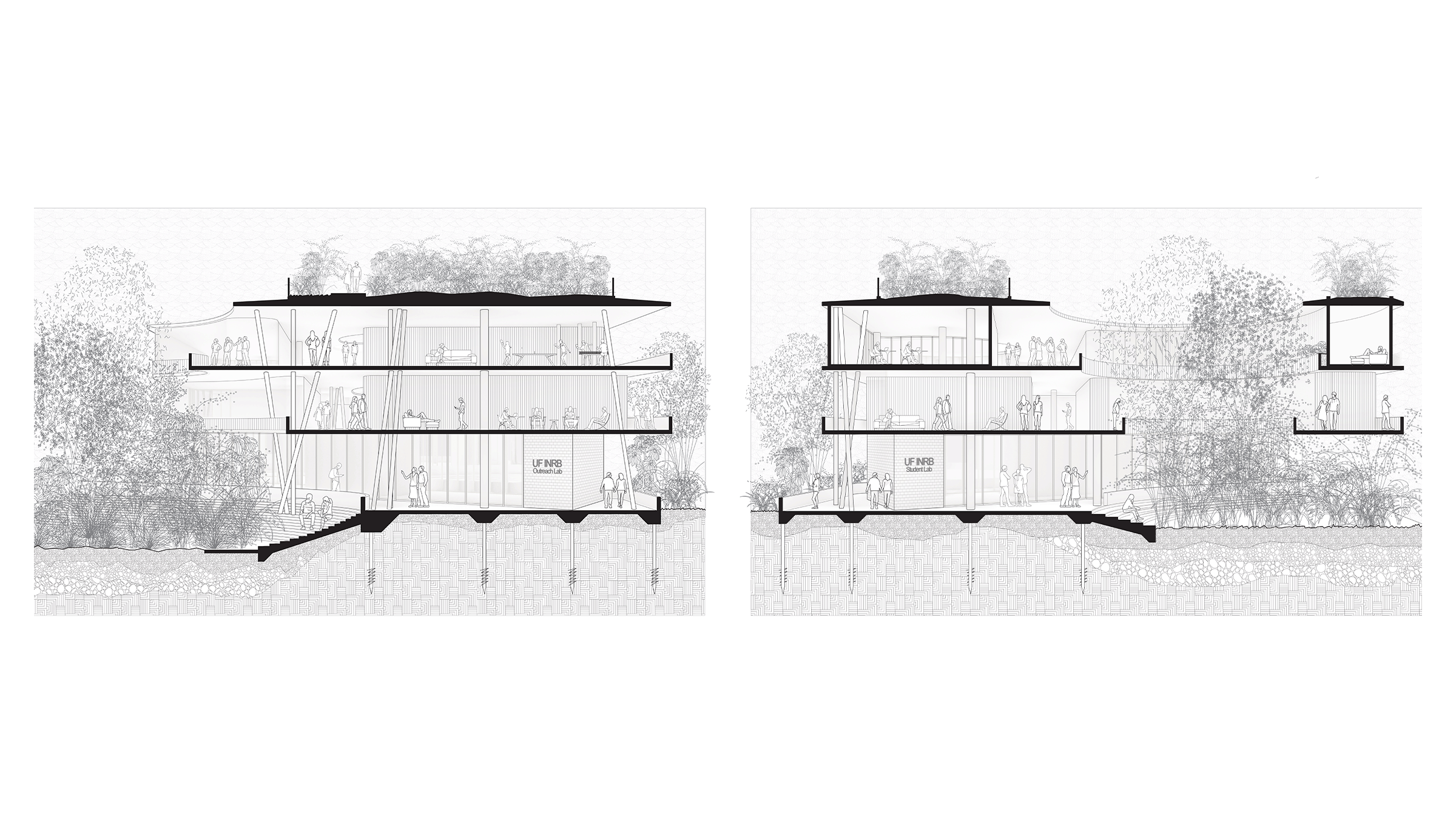
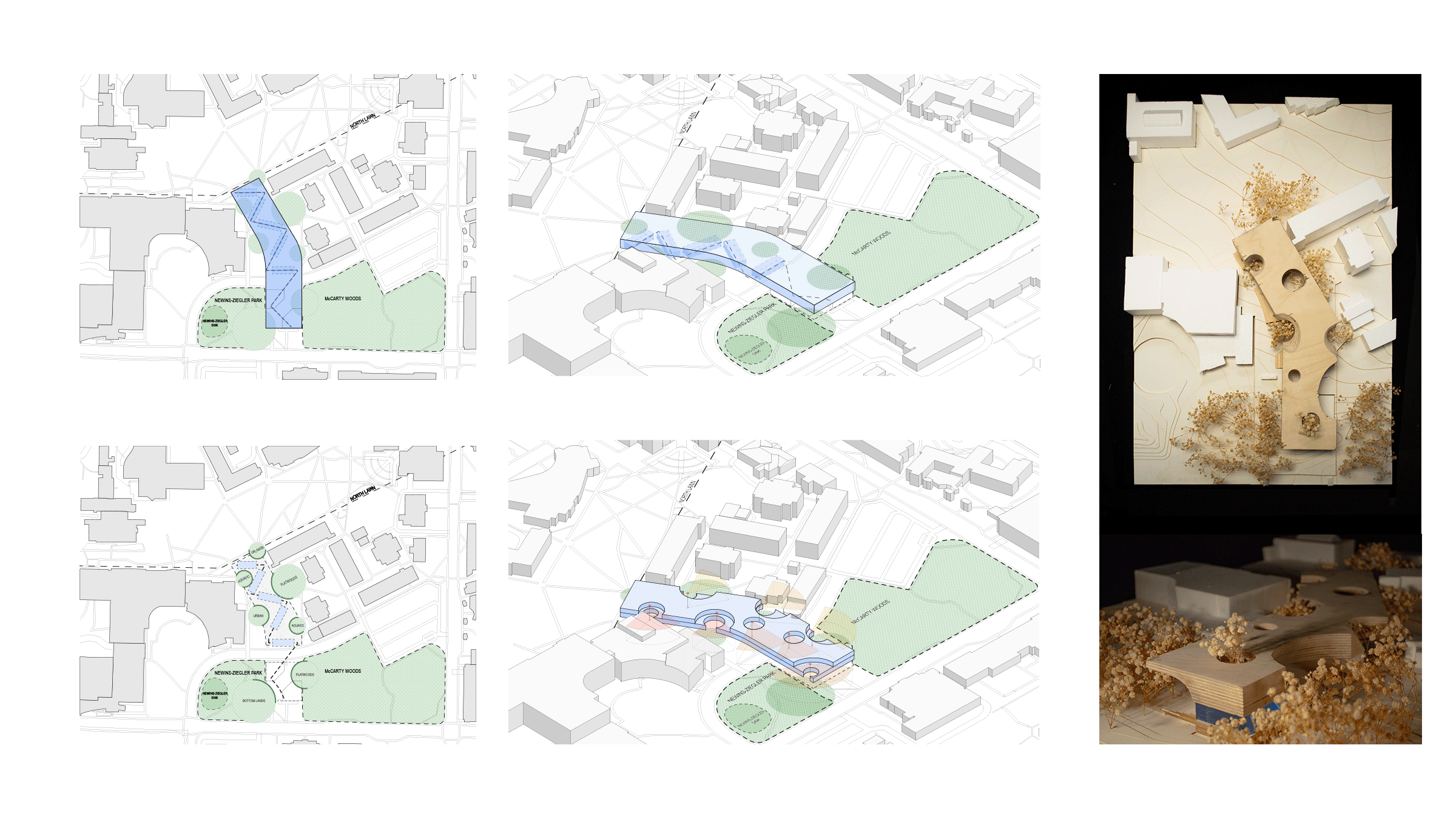
The natural resource programs within the University of Florida have established leaders in the ecology, economics, and human dimensions aspects of our environment. The New Natural Resources Building, led by the University’s School of Forest, Fisheries, & Geomatics Sciences (FFGS) and IFAS Leadership, promotes the opportunities that mass timber construction offers to support these three aspects by planning a new campus structure that will accommodate seven different natural resource programs. This project unifies decades of innovation in natural resource and forest management, teaching, and outreach through a collaborative team positioned at the intersection of practice and academics. It will expand natural resource and forestry education by realizing a mass timber building rooted in healthy building practices. Augmenting IFAS’s nationally leading practices of putting into action the theories and principles of forestry subjects through the Austin Cary Forest Campus, the New Natural Resources Building proposal catalyzes the mission of the University of Florida’s natural resource programs through the physical implementation of forest management into a southern yellow pine mass timber structure.
The Integrated Natural Resources Building [INRB] would be the first of its kind in the region and will serve as a public platform to promote innovation in the construction sector, environmental initiatives through the use of regionally grown and manufactured timber. The proposed INRB would bring under one roof seven different program areas and existing FFGS outreach and program missions. The University of Florida is committed to identifying new opportunities for building construction. The proposed building will showcase the quantifiable environmental and economic benefits of using wood as a sustainable building material and serve as proof of concept to overcome market barriers.
Project Information
Location: Gainesville, Florida, University of Florida
Publications: MainST Daily News, Staff Reports
Status: Conceptual Design
Project Team: UF IFAS + School of Forest, Fisheries, & Geomatics Sciences
Supported in part by a USDA US Forest Service WIGrant Program