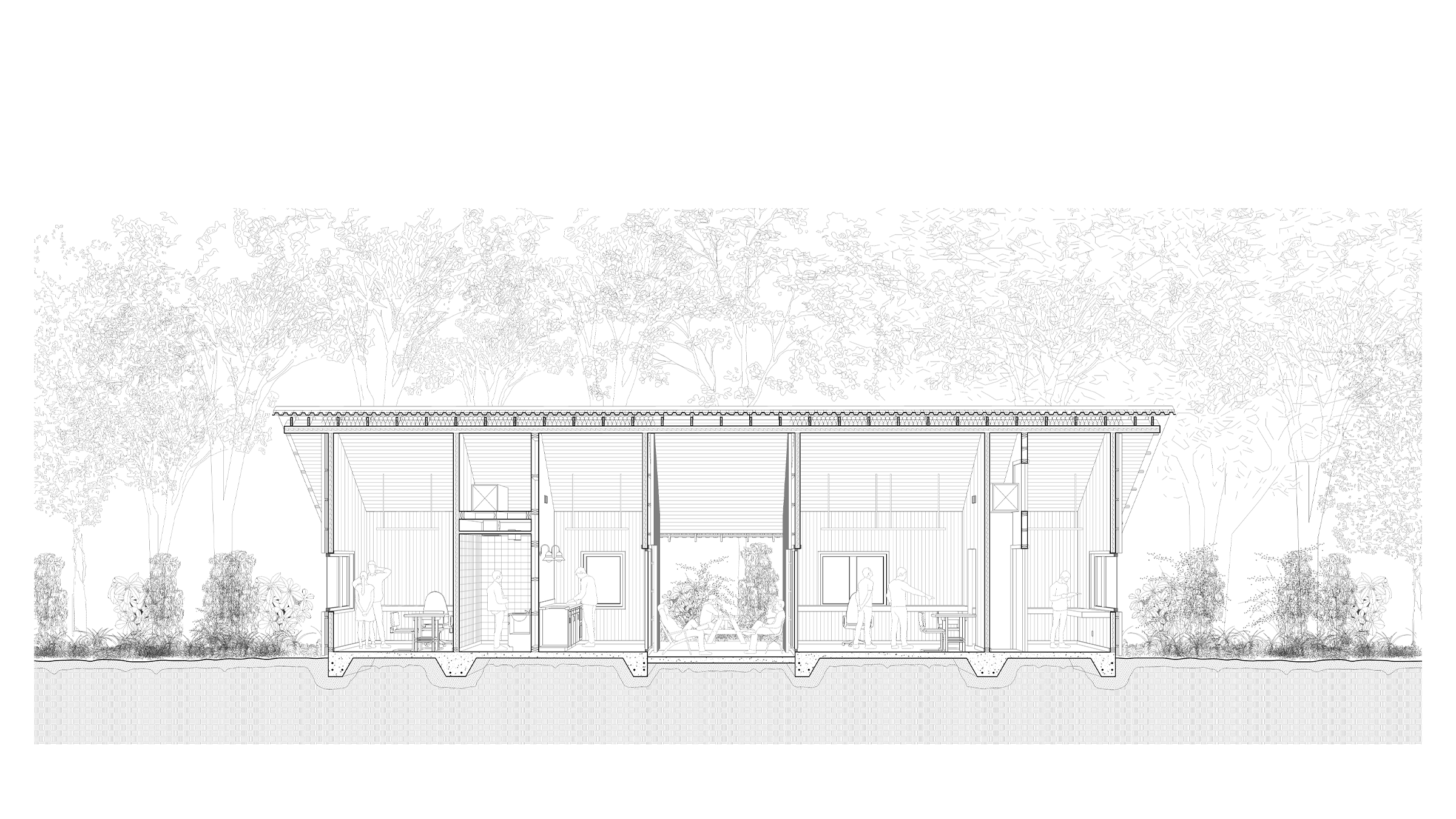
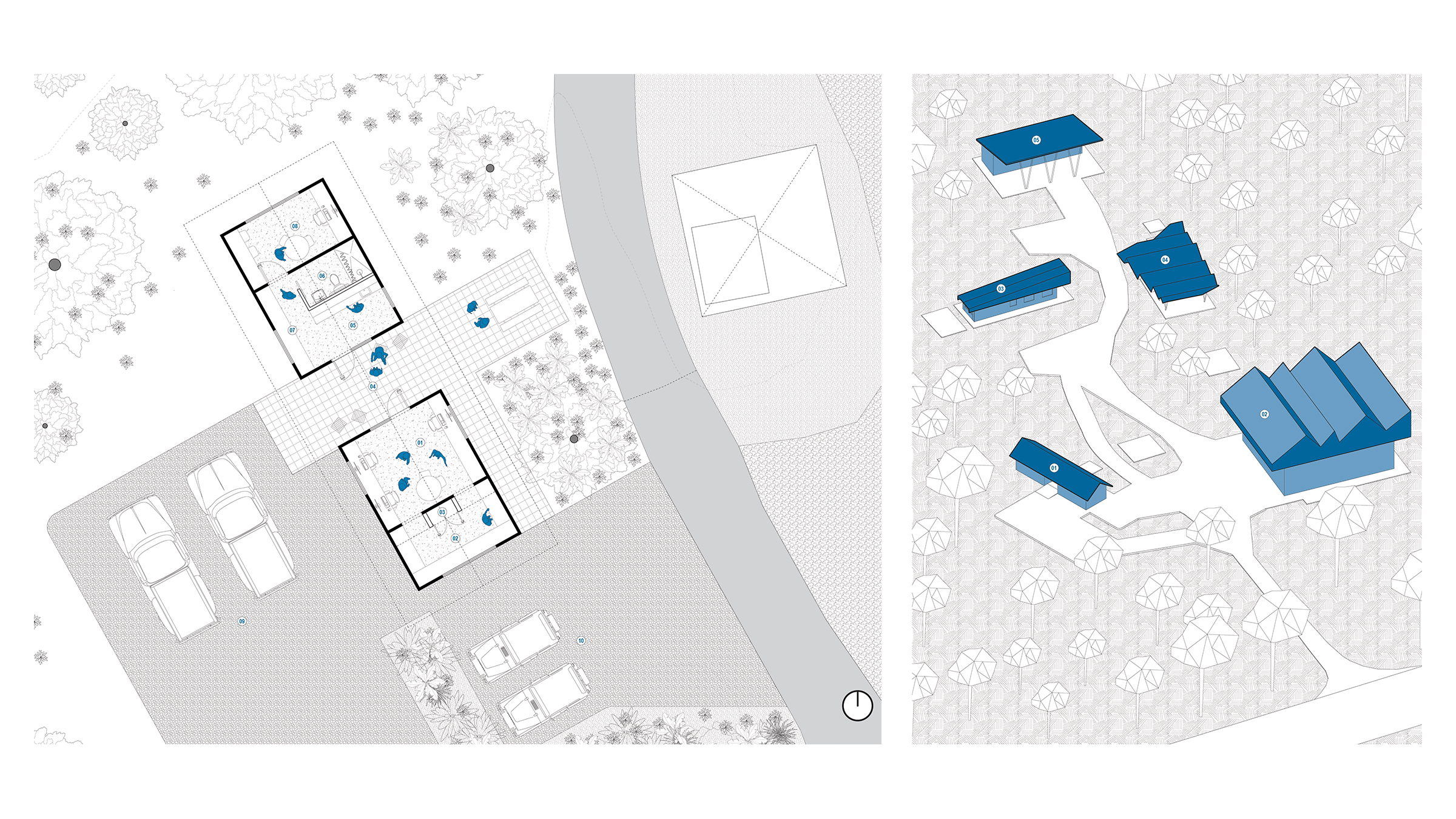

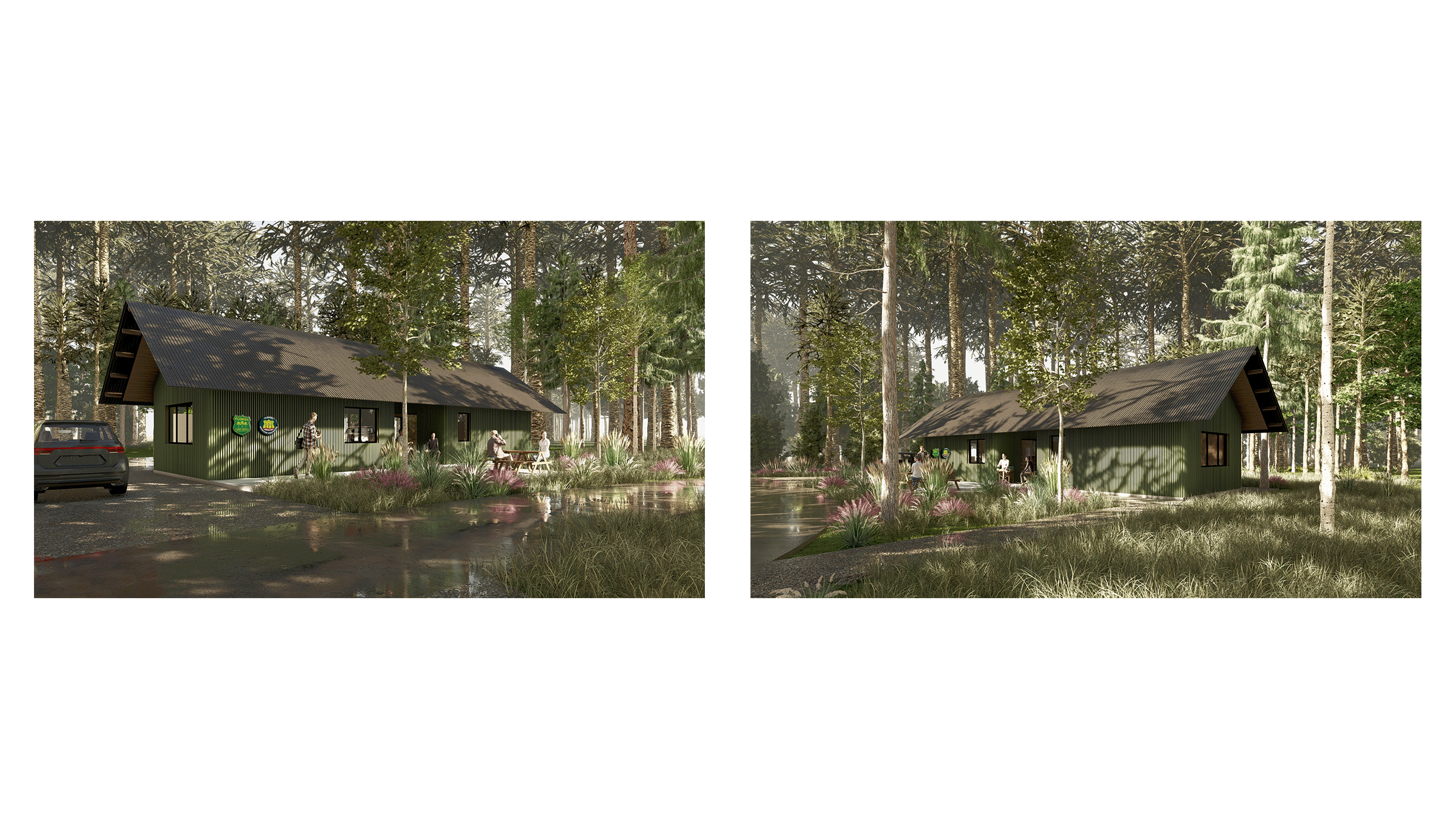
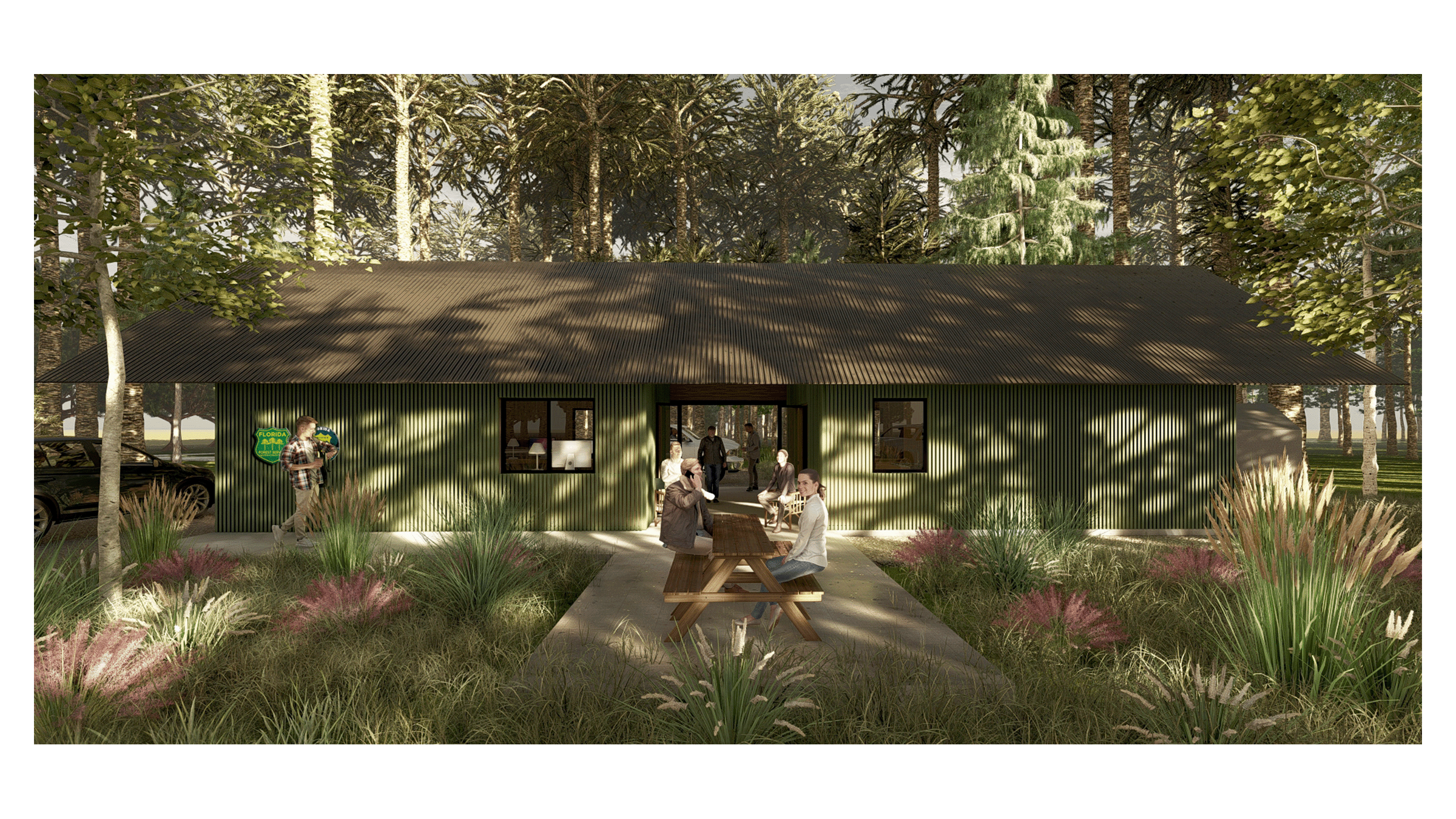
The project explores the relationship between architecture, material origin, and regional identity through the design of a Regionally Sourced Mass Timber Ranger Outpost. Positioned within the timber-rich landscapes of the Southeastern United States, the project challenges the growing placelessness of contemporary construction by reconnecting building design to the ecological and cultural realities of territory.
Conceived as both a working ranger station and a research-based prototype, the outpost embraces mass timber as a regenerative structural system sourced from regional forestry networks. The project investigates how architecture can emerge directly from local resource cycles, forestry practices, and manufacturing infrastructures rather than from anonymous global supply chains detached from place and consequence.
The design is informed by the vast “wood basket” of the Southeastern U.S.—a forested region comprising nearly 208 million acres of productive timberland. Through an understanding of harvesting cycles, wood product manufacturing, and carbon sequestration, the project positions timber not only as a material of construction but as an environmental and cultural instrument capable of shaping healthier relationships between buildings, economies, and ecosystems.
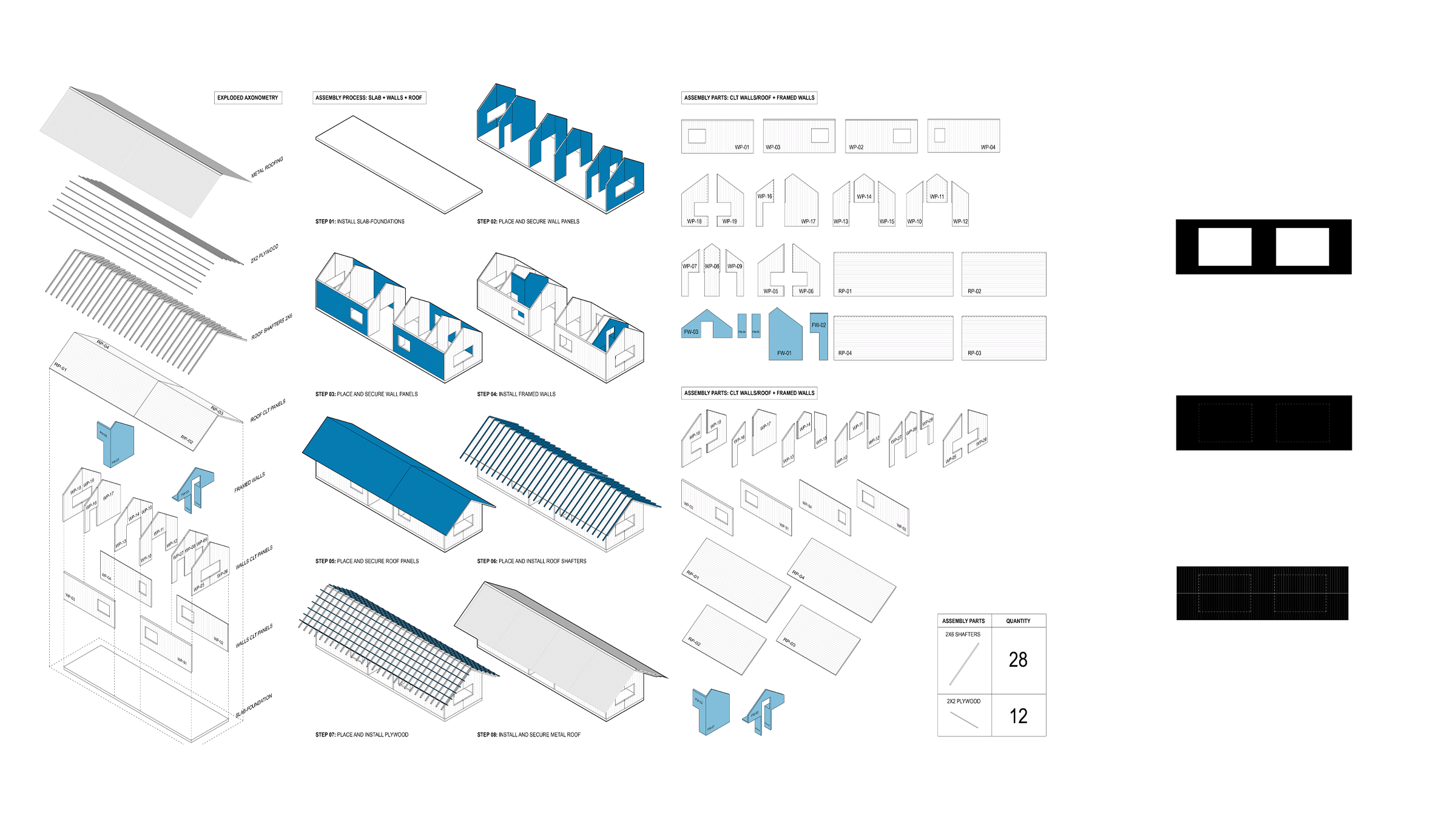
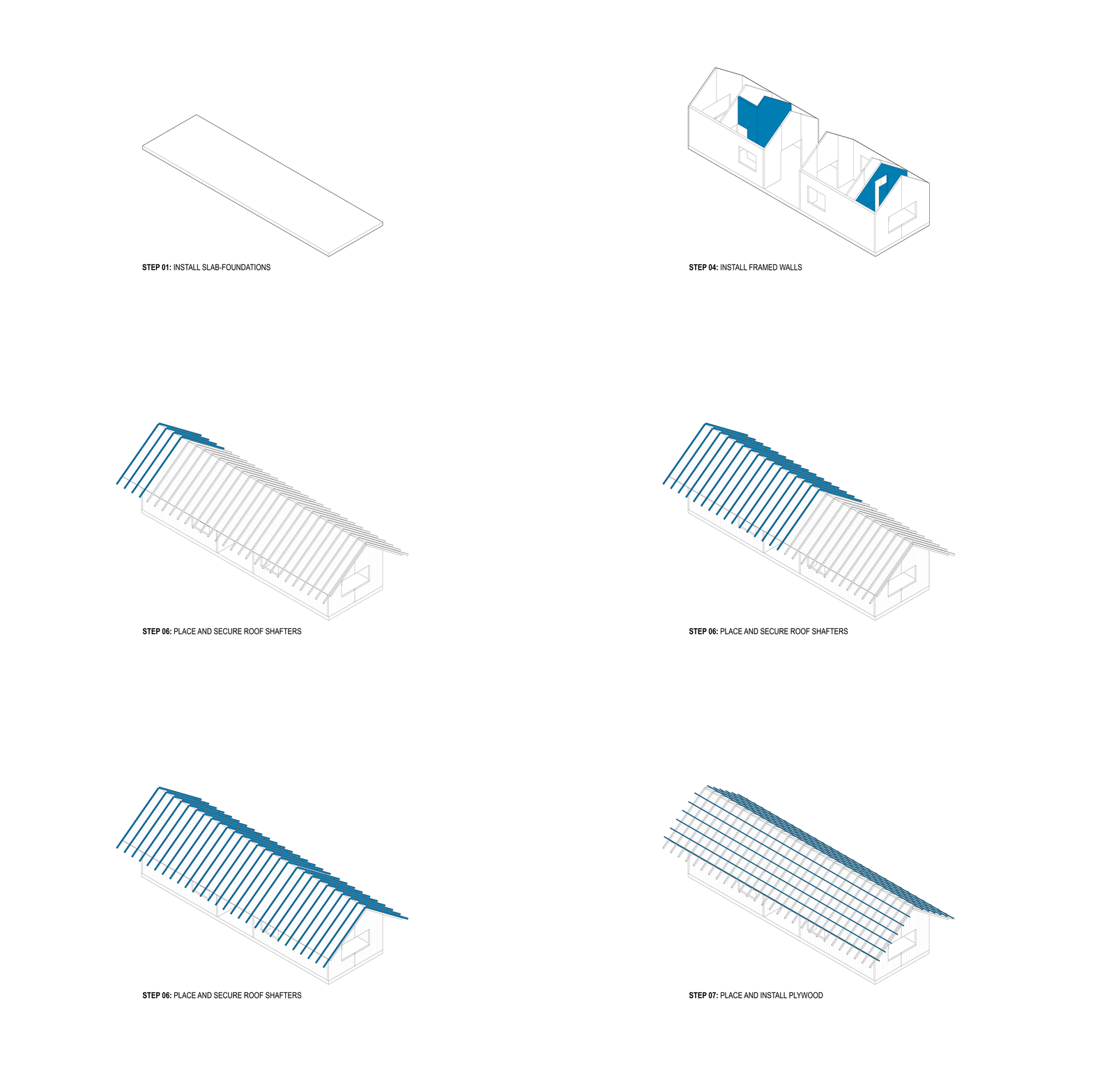
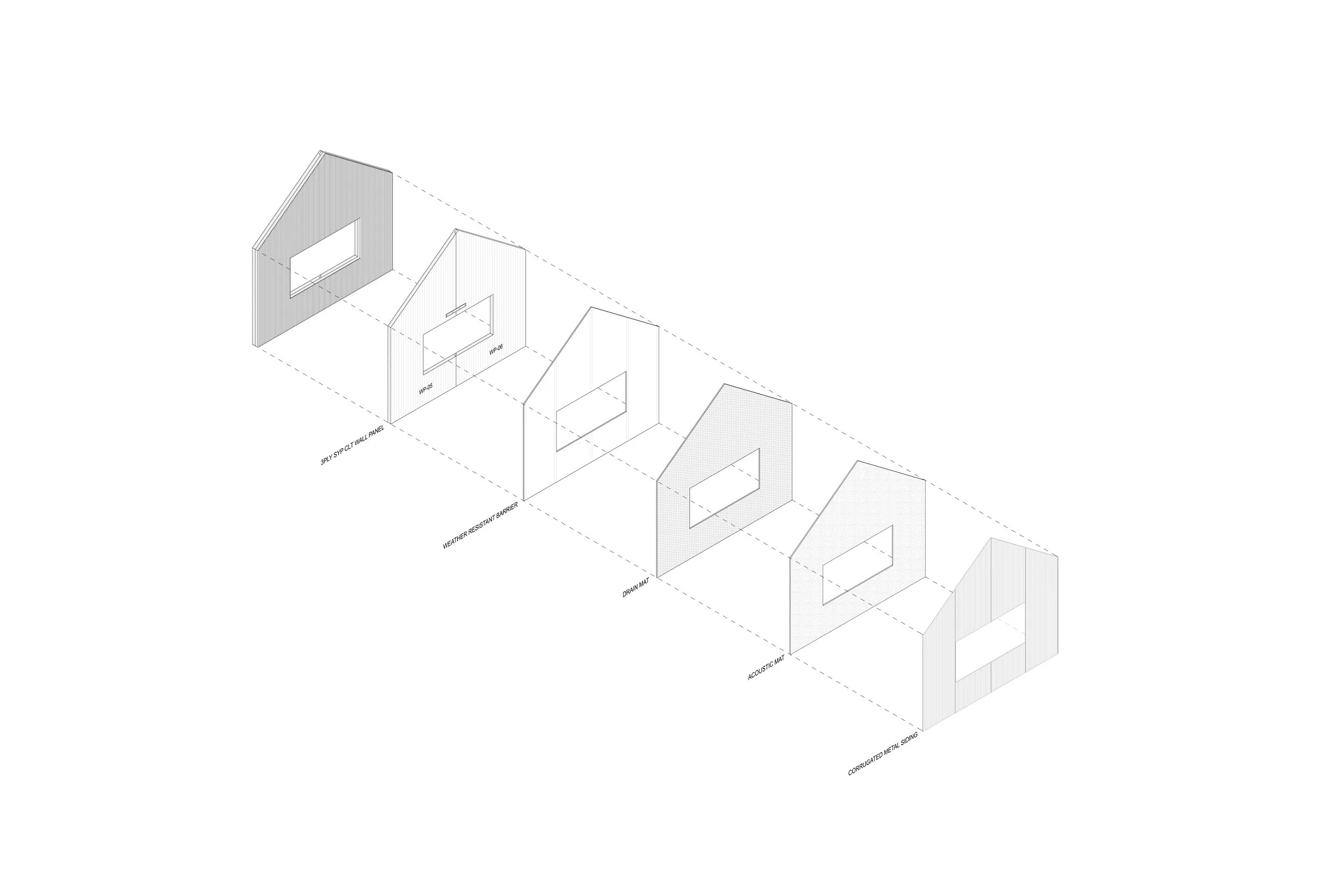
Spatially, the Ranger Outpost is conceived as an extension of the surrounding landscape: a durable civic structure embedded within the forest it is sourced from and responsible to. The architecture prioritizes clarity of assembly, tectonic legibility, passive environmental performance, and material honesty. Glue-laminated structural frames and cross-laminated timber panels establish a warm and resilient enclosure while foregrounding the tactile and atmospheric qualities inherent to wood construction.
At its core, the project asks a fundamental question increasingly absent within contemporary practice: Where do our buildings come from? In response, the Ranger Outpost advocates for an architecture rooted in nearness—one that acknowledges the environmental consequences of material extraction while embracing the cultural and ecological potential of regional construction systems.
Rather than treating architecture as an isolated object, the project understands building as part of a larger continuum of forestry, labor, climate, and stewardship. The result is an architecture of placeness: one inseparable from the land, resources, and communities that make it possible.
Project Information
Location: Baker County, Florida
Awards: …
Publications: …
Status: Design Development