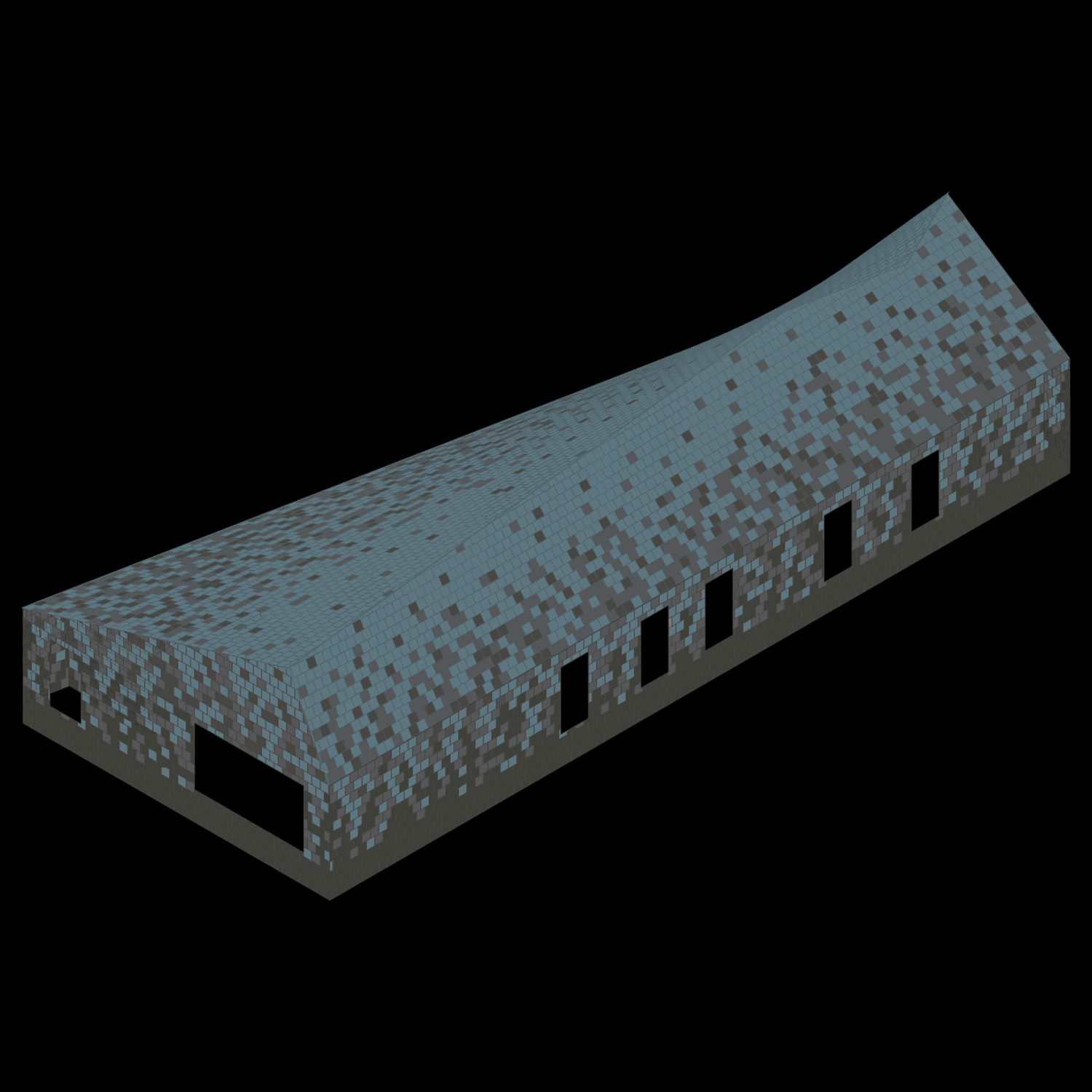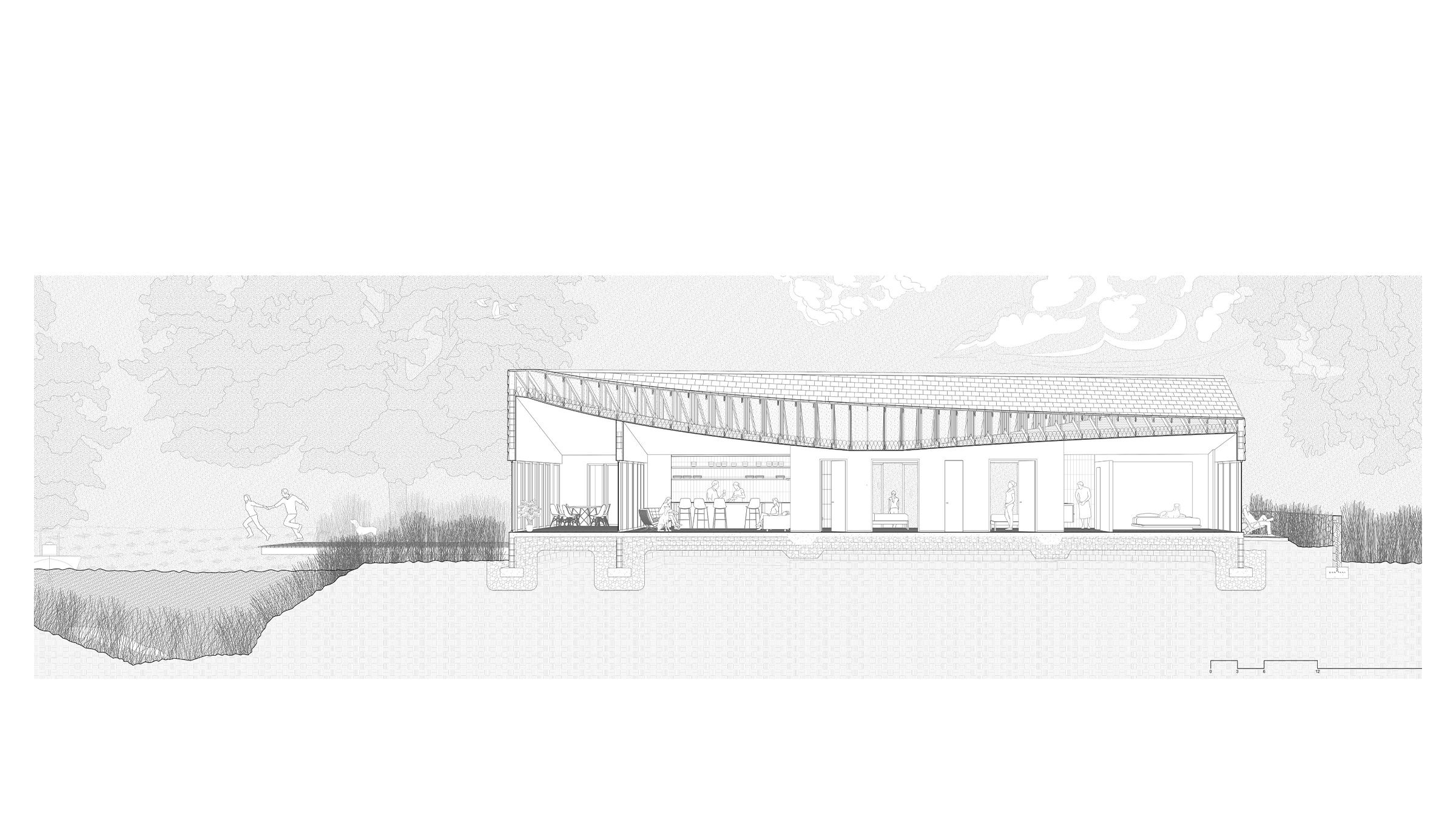
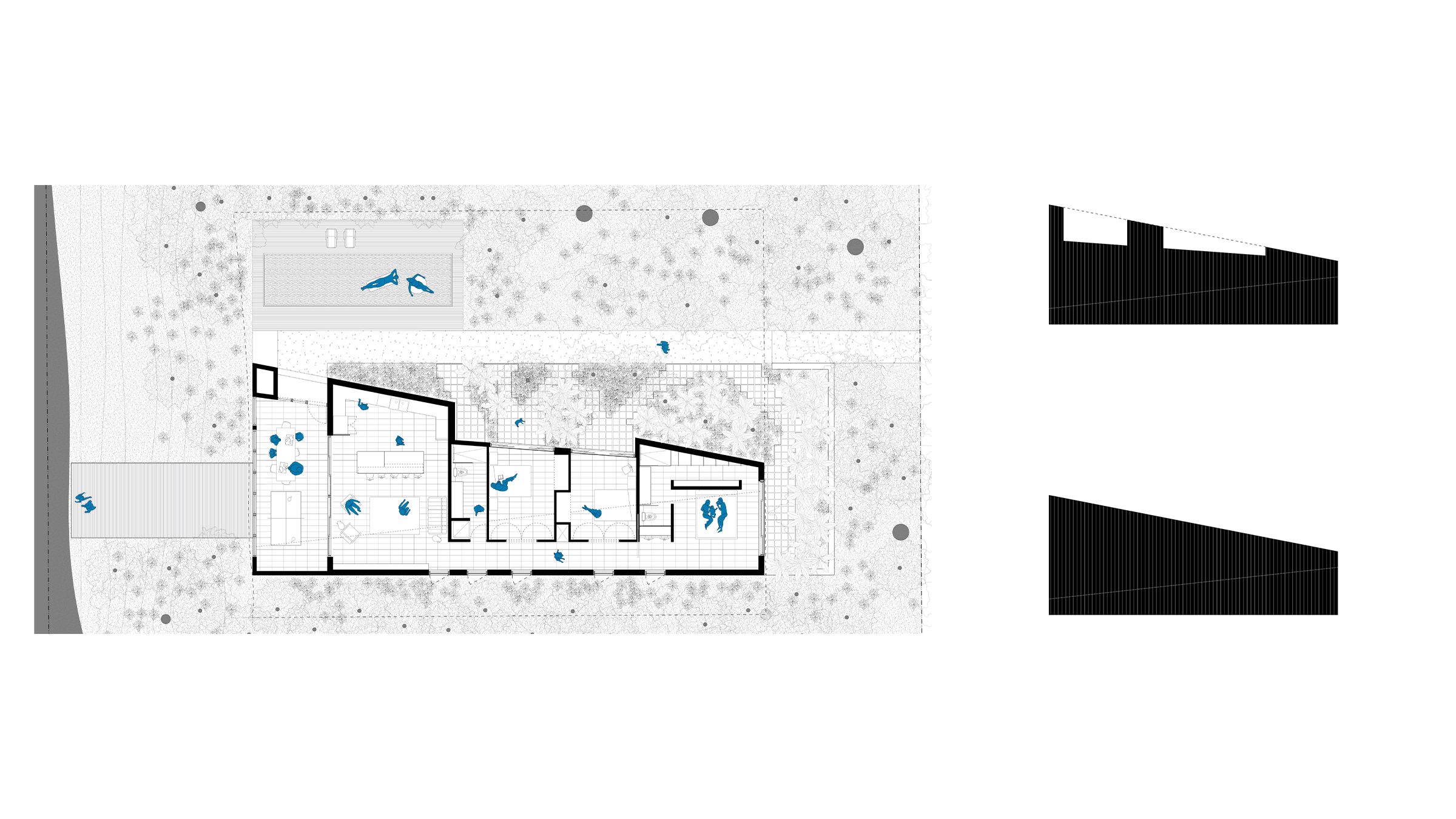
Situated along a canal edge in coastal Florida, this residential project investigates the capacity of domestic architecture to mediate between water, climate, and habitation. Conceived as a new structure within a sensitive subtropical environment, the project establishes a series of spatial and tectonic relationships between interior occupation, landscape, and environmental performance. The architecture emerges from the specific atmospheric conditions of the Gulf Coast, where humidity, vegetation, light, and seasonal weather patterns actively shape the experience of dwelling.
The proposal centers on flexible programmatic spaces capable of accommodating evolving patterns of living, gathering, and retreat. Living and sleeping areas, bathing spaces, and the potential integration of a secondary kitchen are conceived not as fixed rooms, but as adaptable spatial conditions that support multiple forms of occupation over time. The project privileges openness, permeability, and informal occupation, allowing domestic life to extend outward into shaded exterior rooms, decks, and transitional thresholds.
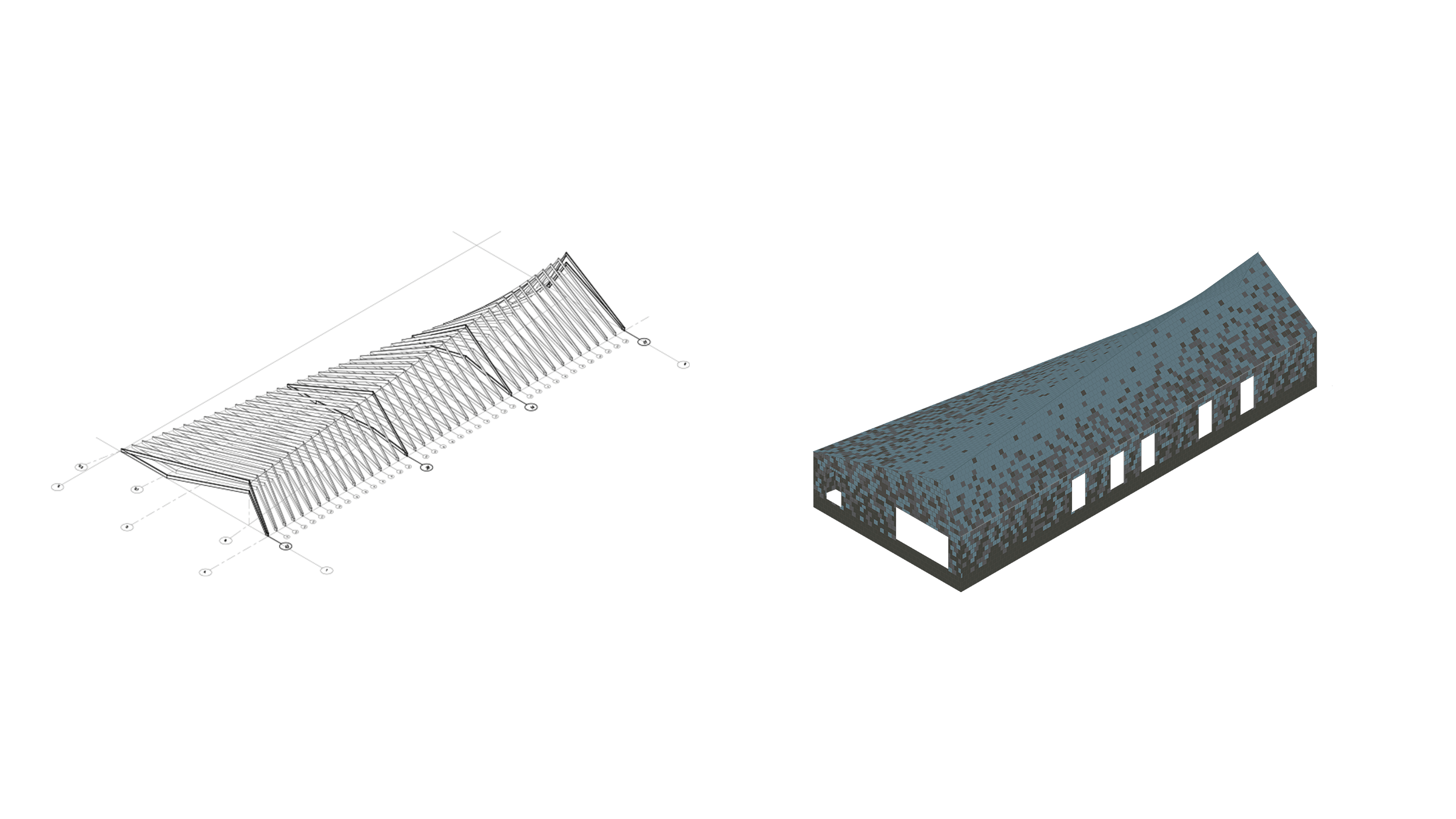
Responding to the environmental realities of coastal Florida, the architecture employs shade, airflow, filtered light, and elevated occupation as primary organizational devices. Exterior circulation elements, screened enclosures, and layered material assemblies operate as climatic infrastructures that negotiate exposure and protection. The project understands the subtropical environment not as a backdrop, but as an active generator of form, material expression, and spatial organization. The site’s proximity to a zoological preserve further intensifies this atmospheric condition, where the distant calls of exotic animals intermittently register within the landscape, producing an acoustic environment that blurs distinctions between domestic occupation and the surrounding ecological context.
At its core, the project explores architecture as a framework for environmental and sensory engagement. Material selection, structural expression, and spatial sequencing are developed through an interest in lightness, tactility, and the relationship between enclosure and openness. The resulting architecture positions dwelling as an immersive condition—simultaneously connected to climate, territory, and the evolving character of the coastal landscape.
Project Information
Location: Naples, FL
Awards: …
Publications: …
Status: Conceptual Design